After a storm damages your roof, get everyone safe first, stay off the roof and well away from fallen powerlines, and limit water damage from inside where you can. For emergency help with a damaged or leaking roof in South Australia, call the SES on 132 500, and call 000 if anyone's life is at risk. Then photograph the damage, contact your insurer, and have a roofer make the roof watertight and quote the permanent repair.
1. Make sure everyone is safe
The SA SES advises keeping clear of damaged buildings, powerlines and trees after a storm, and reporting downed powerlines to SA Power Networks on 13 13 66 (SES: After a storm). Do not climb onto a wet or damaged roof. Storm-damaged roofs can have loose tiles, sheets and debris that give way, and a fall from a roof is far worse than any leak. If water has reached light fittings, power points or the switchboard, keep clear and have a licensed electrician check before using them.
2. Limit the water damage inside
- Put buckets and towels under drips and move furniture, electronics and valuables away from wet areas
- If a ceiling is bulging with water, keep people and pets out from under it
- Close internal doors to stop water spreading into other rooms
3. Get the roof made safe
For emergency storm help, the SA SES takes calls on 132 500. Its volunteers' storm work includes securing damaged roofs and roof tiles (SES storm and water damage operations). That is emergency help, not a permanent repair.
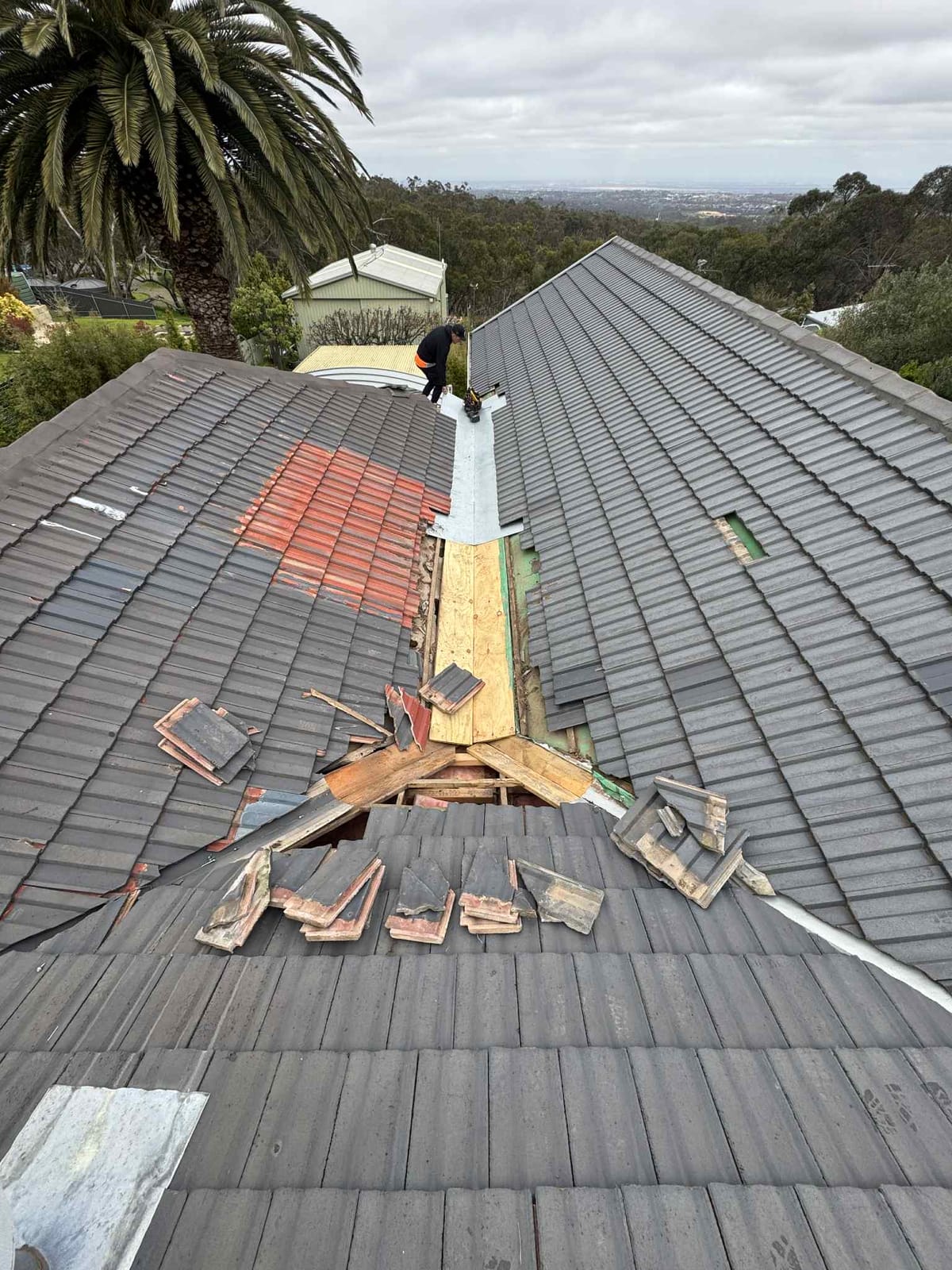
A roofer can make the roof watertight with tarping or a temporary repair, assess the full damage once it is safe to do so, and then carry out or quote the proper repair. That is exactly how we handle storm damage and emergency roof repairs: stop the water first, then fix it properly. Keep the invoice for any make-safe work, as you may need it for your claim.
4. Document everything for your insurer
The Legal Services Commission of South Australia's guide to insurance claims after a disaster recommends taking as many photos of the damage as you can, taking photos before and after you clean up, and talking to your insurer about what you plan to do before you clean anything up (Insurance claims after a disaster, Legal Services Commission SA). In practice that means:
- Photos and video of the roof from the ground, the ceilings, walls, floors and any damaged belongings
- Close-ups and wide shots, so the insurer can see both the damage and where it is
- The date and time the storm hit and when you first noticed the damage
- Invoices for emergency work, such as tarping
Contact your insurer as soon as you can. The SES also reminds South Australians to check that their policy is current and covers storm damage, ideally before storm season (SES: Storm).
5. How the insurance claim process works
Most Australian home insurers have signed up to the General Insurance Code of Practice. The version in force was last updated in October 2023; a redrafted Code has been through public consultation but has not yet replaced it (Insurance Council of Australia: Code of Practice). Under the current Code:
- If your insurer needs more information, it should ask within 10 business days of your claim being lodged.
- Once it has everything it needs, it should decide your claim within 10 business days.
- If it needs expert reports, the decision can take longer, but it should be made within four months of lodgement unless there are exceptional circumstances, such as a declared catastrophe.
- You should get updates on your claim at least every 20 business days.
- If you are in urgent financial need, ask about hardship support. The Legal Services Commission notes insurers can arrange emergency money within five working days.
Policies differ, and many distinguish sudden storm damage from gradual wear and tear or a lack of maintenance, so read your policy wording. If you disagree with your insurer's decision, use its internal complaints process first. If that does not resolve it, you can take it to the Australian Financial Complaints Authority (AFCA), a free, independent service.
If your insurer offers a cash settlement instead of arranging repairs, the Legal Services Commission recommends getting quotes from at least two independent tradespeople to make sure the amount covers the work before you accept.
6. The permanent repair
Once the weather clears, the roof can be properly assessed: tiles or sheets replaced, flashings refixed, ridge capping rebedded, and any hidden damage found. We document what we find and what we do, which you can pass on to your insurer.
Before the next storm
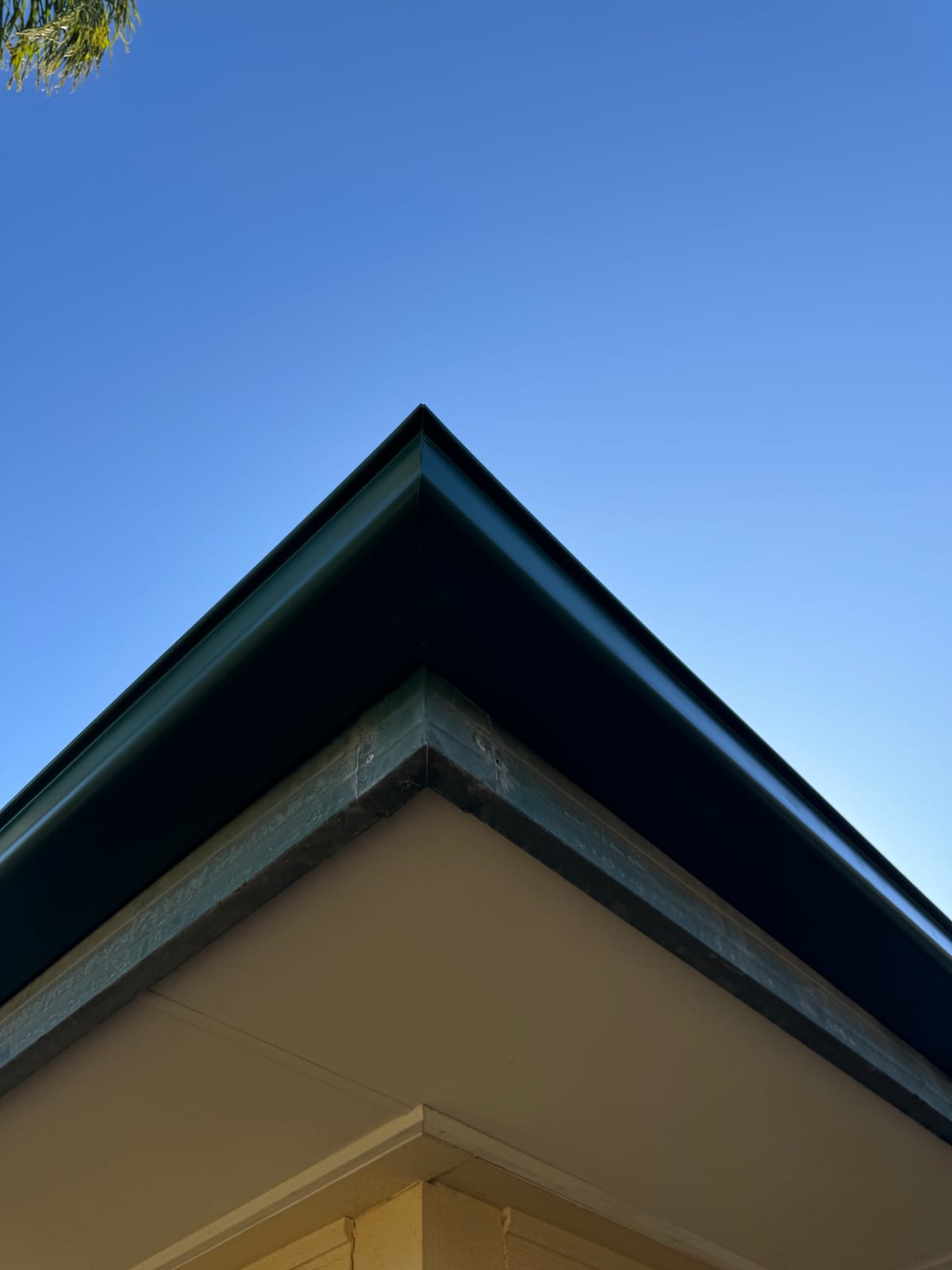
The SES's own storm preparation list includes clearing gutters, downpipes and drains, trimming trees and branches that could fall on the house, and fixing any damage to the roof (SES: Storm). A roof and gutter check before the wet season catches the small faults that storms turn into big ones. See our maintenance and inspections service.
Frequently asked questions
Will the SES fix my roof after a storm?
The SES provides emergency help, including securing damaged roofs and roof tiles, to reduce further damage. It does not carry out permanent repairs, so you will still need a roofer for the proper fix.
Should I clean up before the insurer sees the damage?
Talk to your insurer before you clean up, and take photos before and after. Stopping further damage, such as moving belongings or getting the roof tarped, is sensible, but keep records and receipts of what was done.
How long does an insurer have to decide a storm claim?
Under the General Insurance Code of Practice, insurers should decide within 10 business days of having all the information they need, and generally within four months of the claim being lodged, unless there are exceptional circumstances such as a declared catastrophe.
What if I disagree with my insurer?
Make a complaint through your insurer's internal complaints process first. If that does not resolve it, you can lodge a free complaint with the Australian Financial Complaints Authority (AFCA).
Want Sam to take a look?
Send a photo through the quote form for an honest assessment and a free, no-obligation quote, or call Sam directly.